


Choosing your
hair system
Base, hair, density, maintenance — everything you need to understand to make the right choice, even if you're a beginner.
Understanding the types of bases
The base is the invisible membrane that sits on your scalp. It is the number one criterion in choosing a hair system — it determines comfort, natural appearance, and lifespan.
The Lace base (tulle)
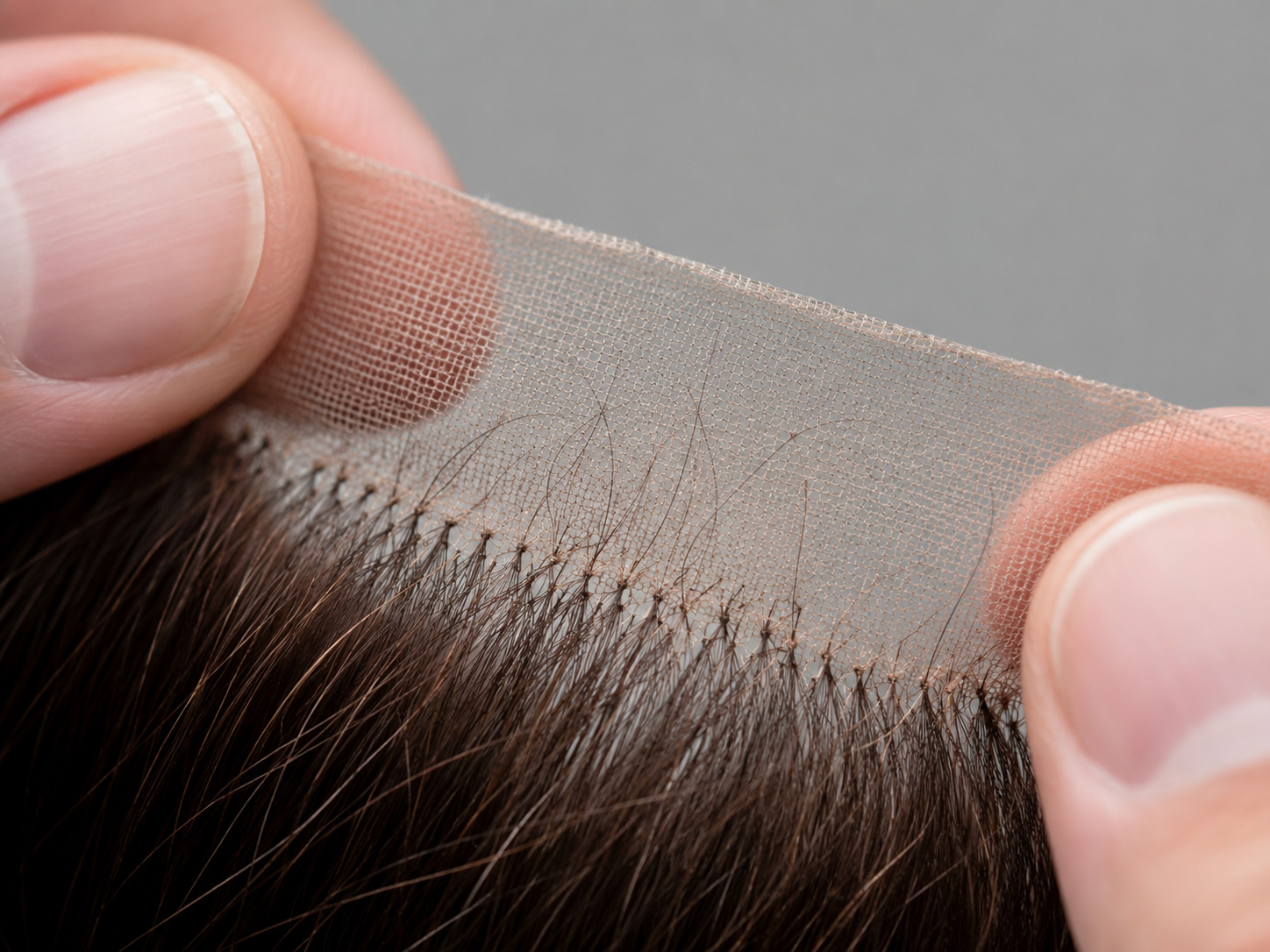
Tulle (or lace) is an ultra-fine net in which each hair is tied individually. It is the most breathable and natural base — the hairline is nearly invisible.
There are several qualities: French Lace (standard, durable), Swiss Lace (finer, more discreet), and HD Lace (high definition, the most invisible).
The Skin base (polyurethane)
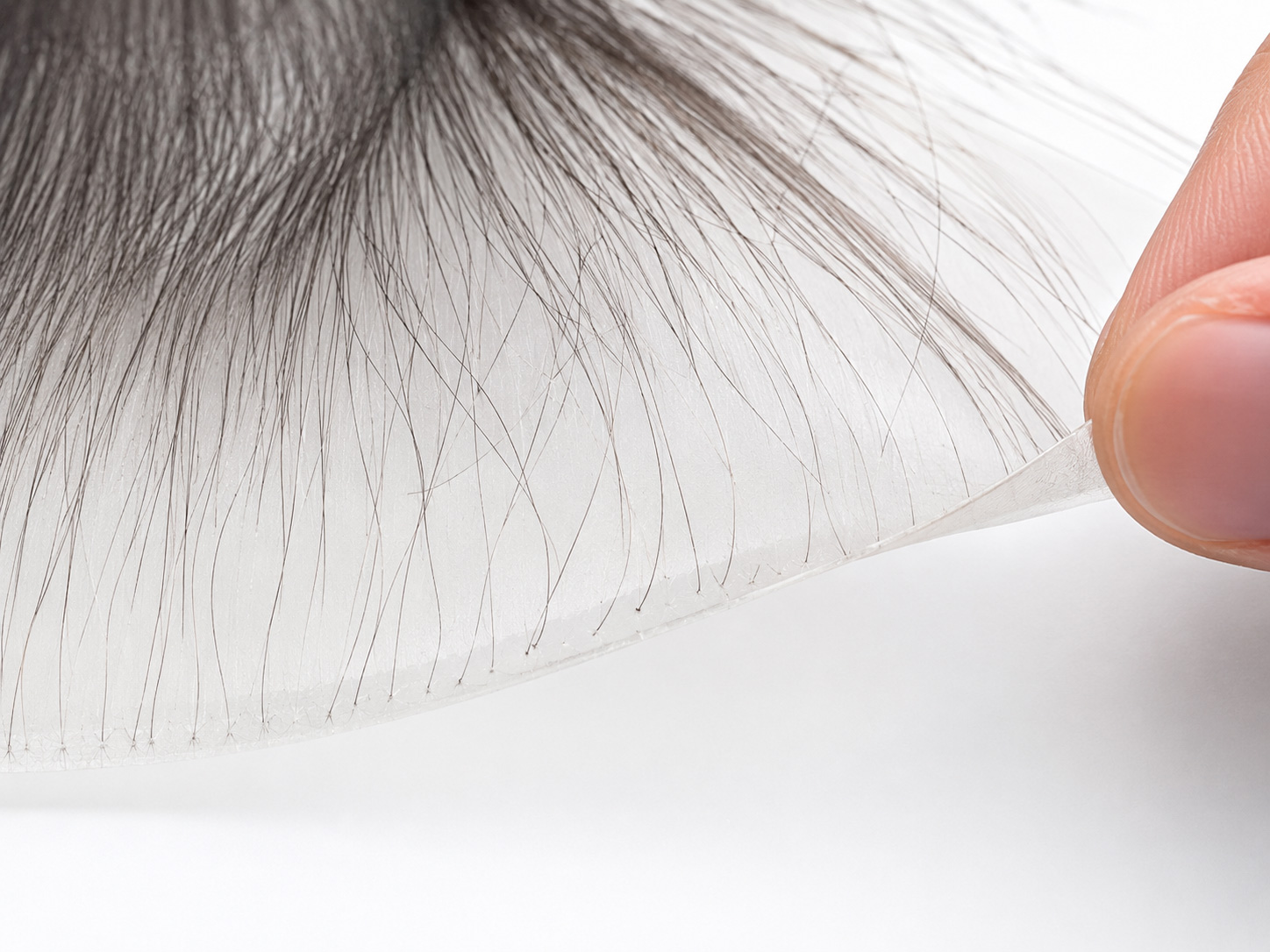
The skin base is a thin transparent polyurethane (PU) membrane that mimics the scalp. It can be extremely thin — down to 0.03mm at Keeratin.
It is the most simple to apply and maintain: the adhesive adheres directly to the smooth surface. The 'second skin' effect is striking.
The Mono base (monofilament)
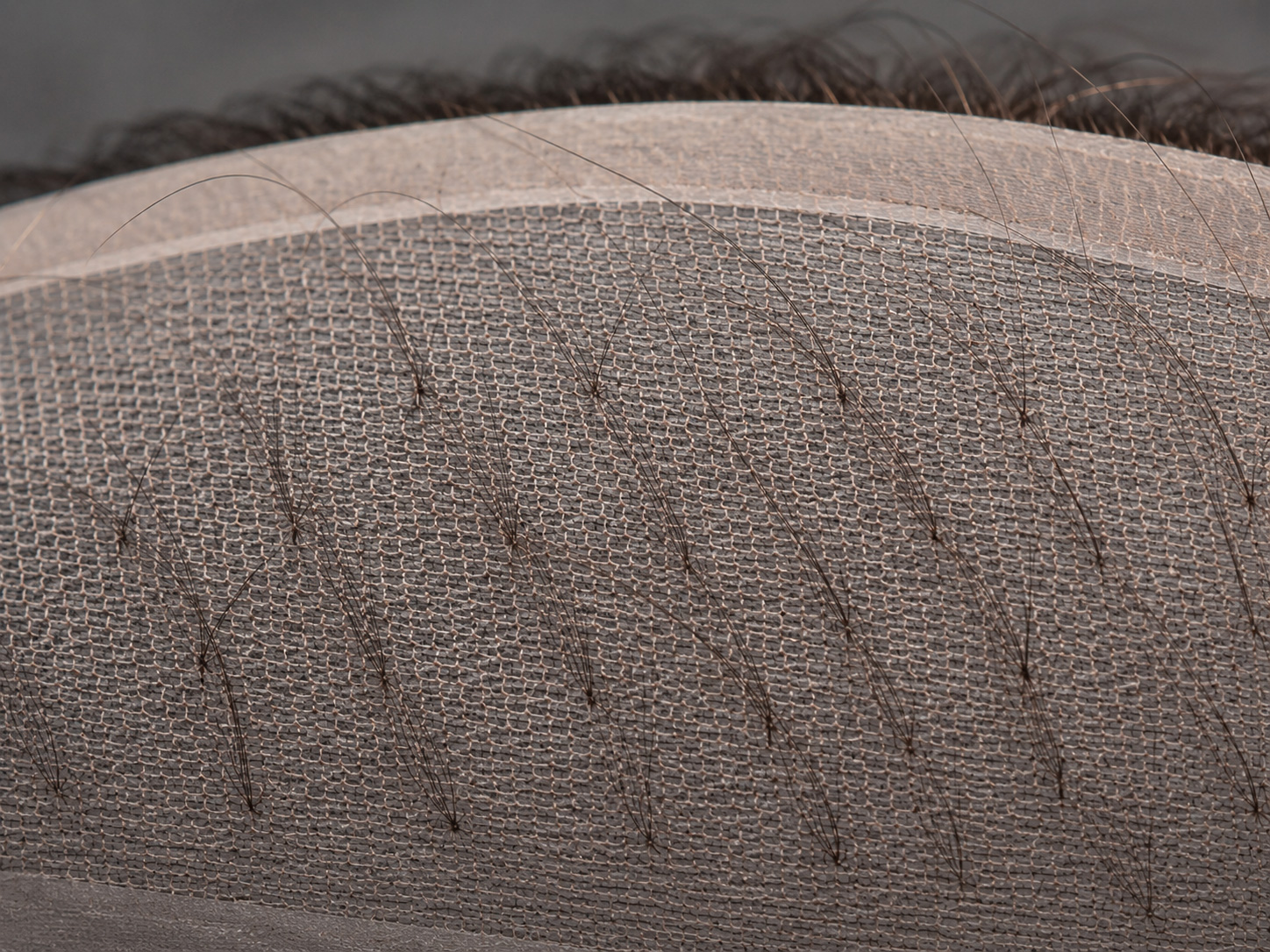
Monofilament is a tight-knit synthetic fabric, very durable, in which each hair is tied. It offers an excellent balance between durability and comfort.
Mono systems often have a PU or lace contour for a natural transition at the edges, and a mono center for strength.
Hybrid bases
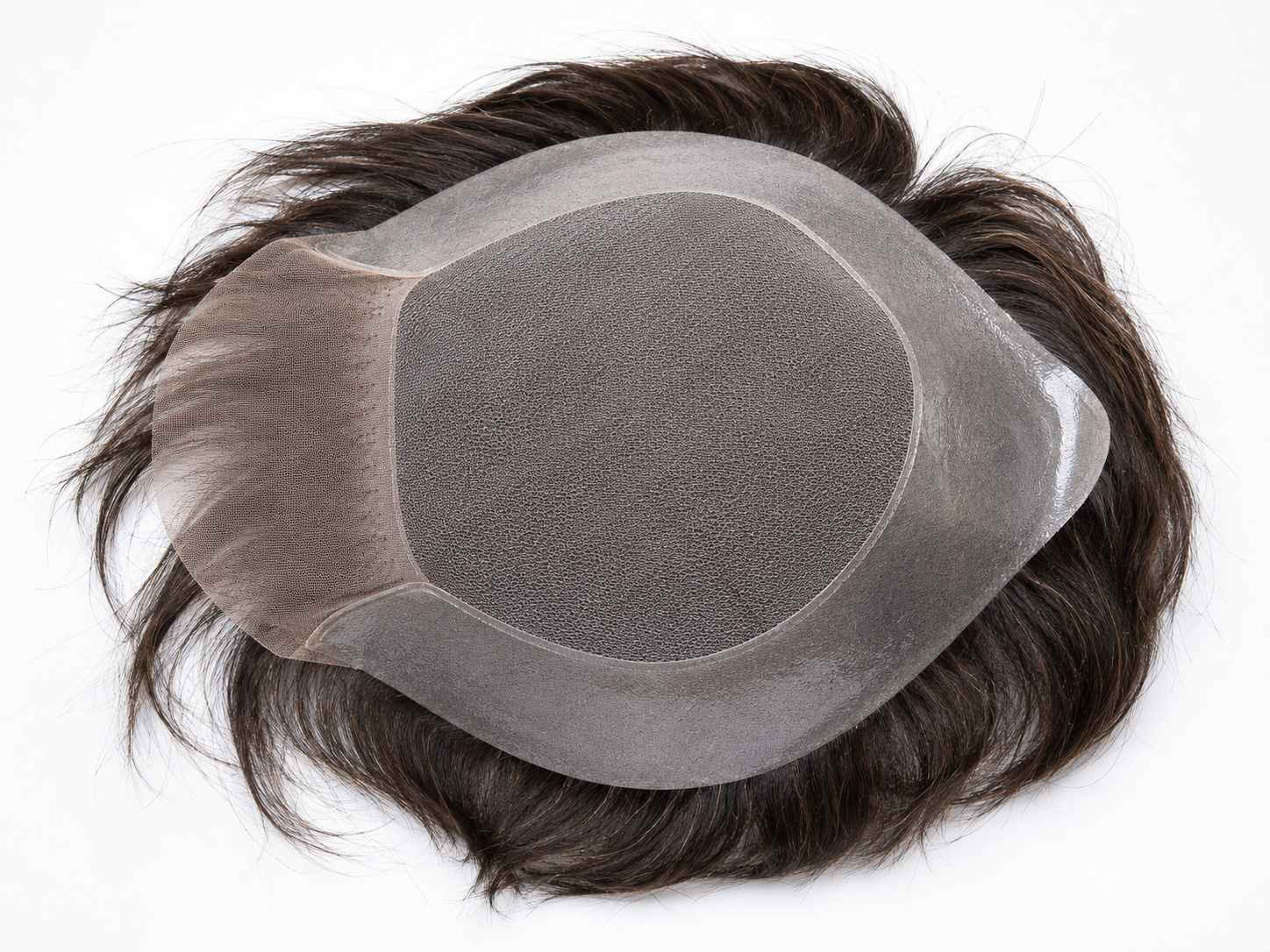
Most modern systems combine two or three materials to get the best of each: HD lace front for invisibility, mono center for strength, PU contour for easy adhesion.
At Keeratin, our "Australian" models use exactly this approach — HD lace + PU contour — to offer the best of both worlds.
Comparison
of bases
Comfort : ★★★★★
Durability : ★★☆☆☆
Ease : ★★★☆☆
Comfort : ★★★★☆
Durability : ★★☆☆☆
Ease : ★★★★★
Comfort : ★★★☆☆
Durability : ★★★★★
Ease : ★★★★☆
Comfort : ★★★★☆
Durability : ★★★★☆
Ease : ★★★★☆
Natural hair vs synthetic
Natural hair (Remy)
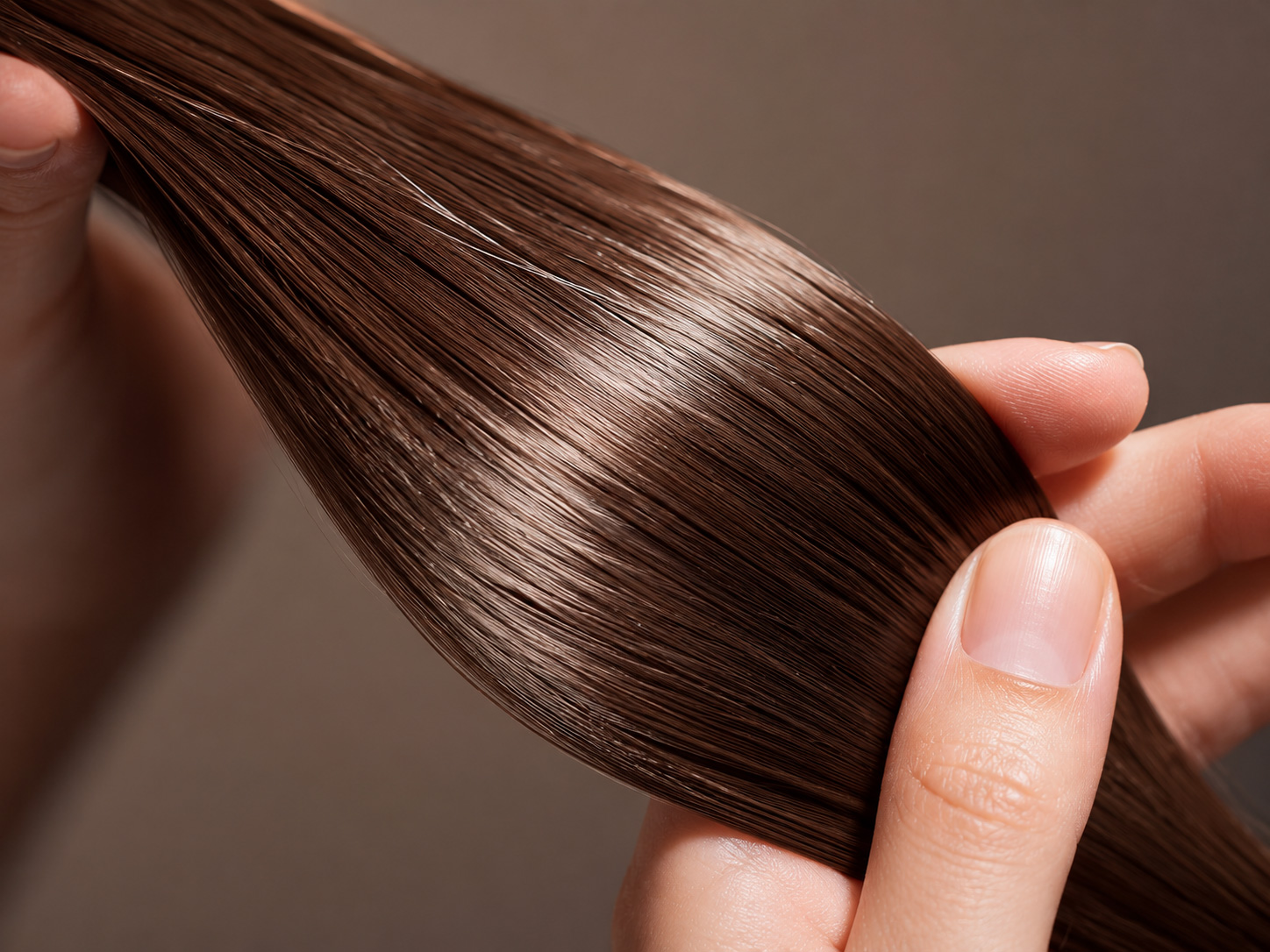
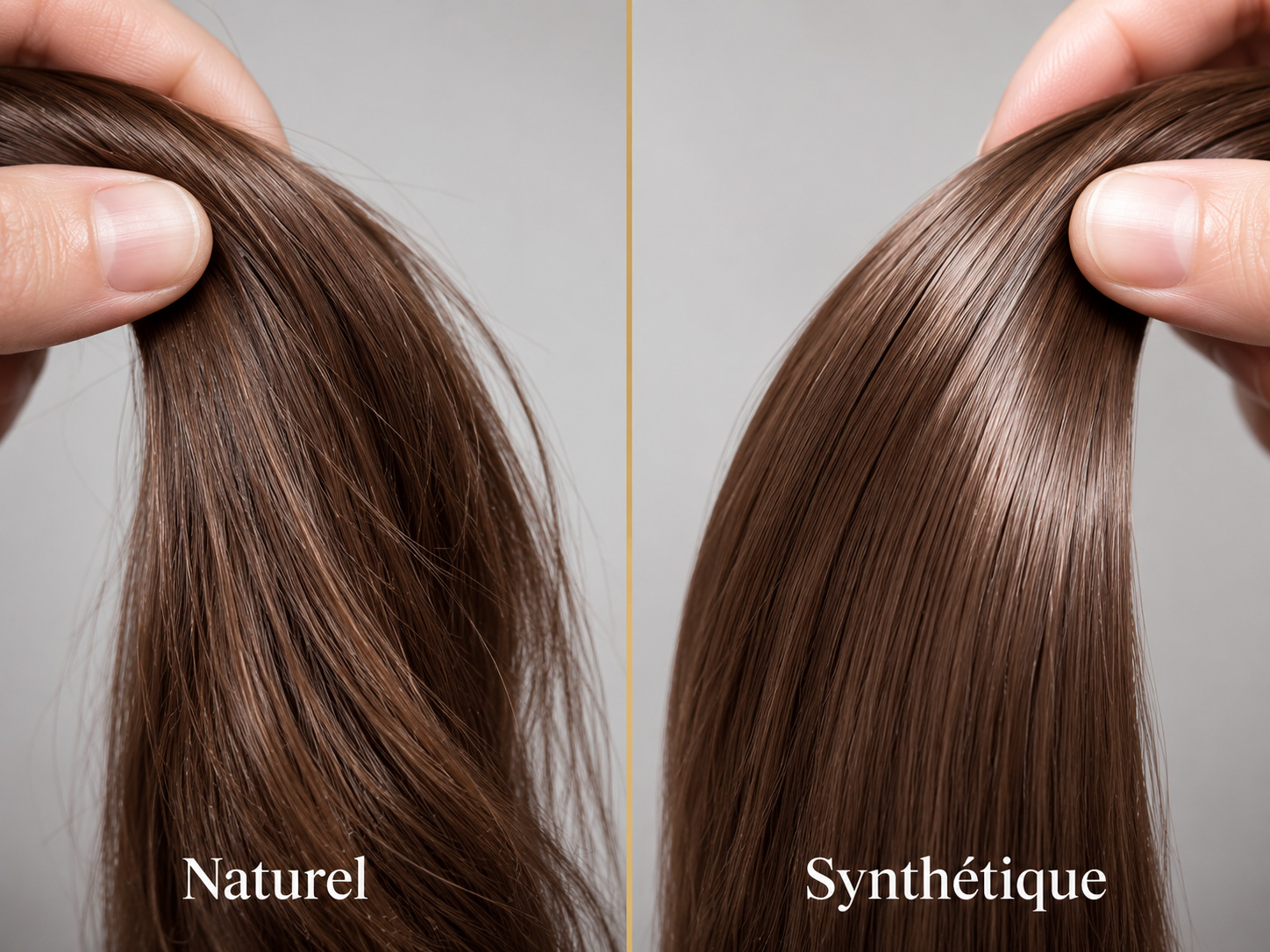
Remy hair (or "cuticles aligned") is human hair with aligned cuticles in the same direction. The result: it does not tangle, remains naturally shiny, and can be colored, cut, and styled just like your own hair.
This is the standard at Keeratin. The hair primarily comes from Europe and India — fine, soft, and indistinguishable from naturally growing hair.
Synthetic hair
Synthetic fibers (kanekalon, toyokalon) are less expensive but have significant limitations: they cannot withstand heat (hair dryers, straighteners), lose their shape over time, and have a visible artificial sheen.
Synthetic hair may be suitable for very occasional use, but for daily wear, natural hair is preferred.
Density, length, and color
Choosing the right density
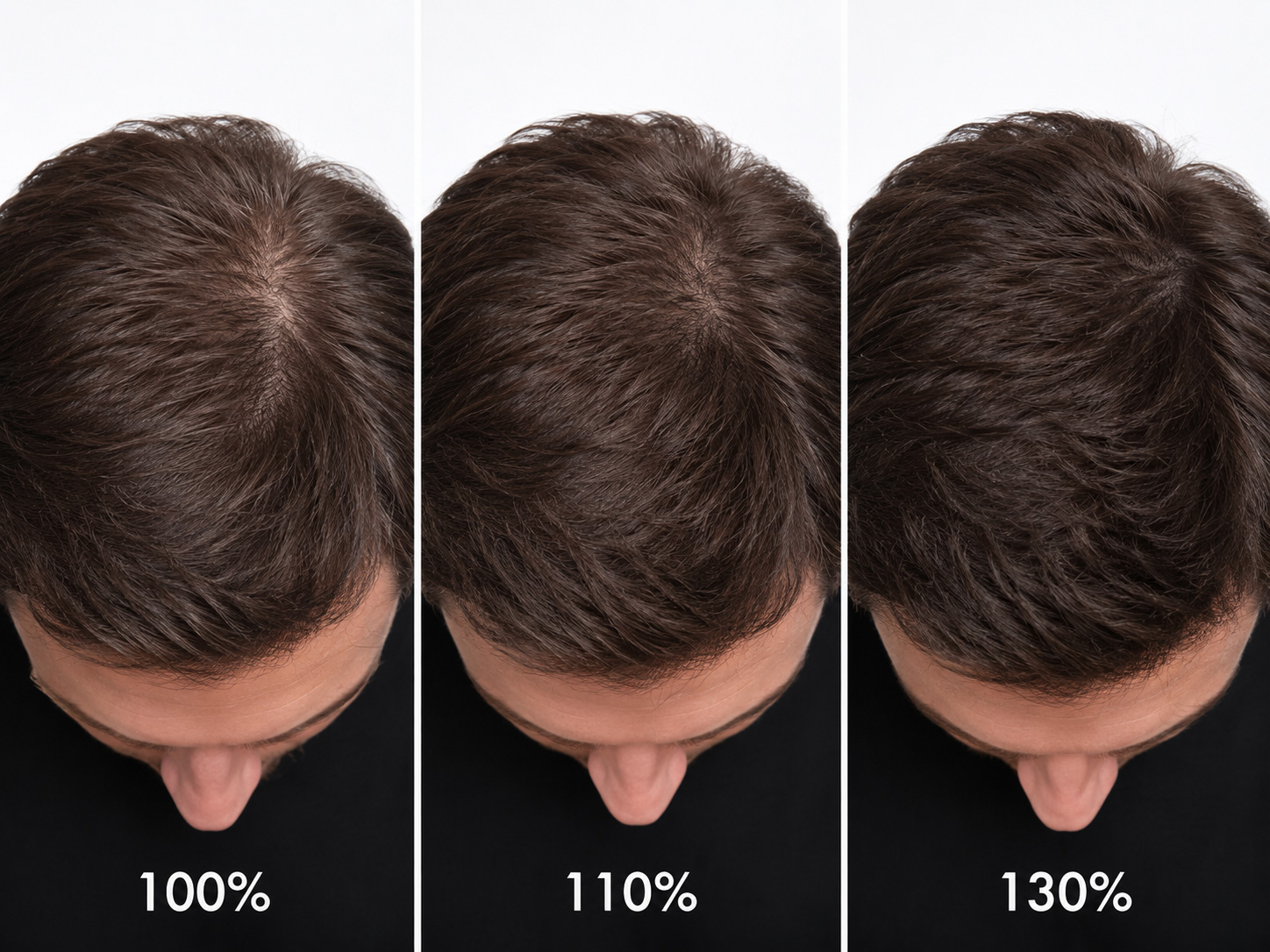
Density is the number of hairs implanted per cm² on the base. It is often overlooked but essential for a natural result.
100% — Standard density. Natural appearance of an average male hairstyle. This is the most common and discreet choice.
110% — A bit more volume. Ideal if you have naturally thick hair on the sides and want a harmonious blend.
120-130% — Dense and full hair. Spectacular effect, but be careful: too much density can look artificial.
Finding the right color
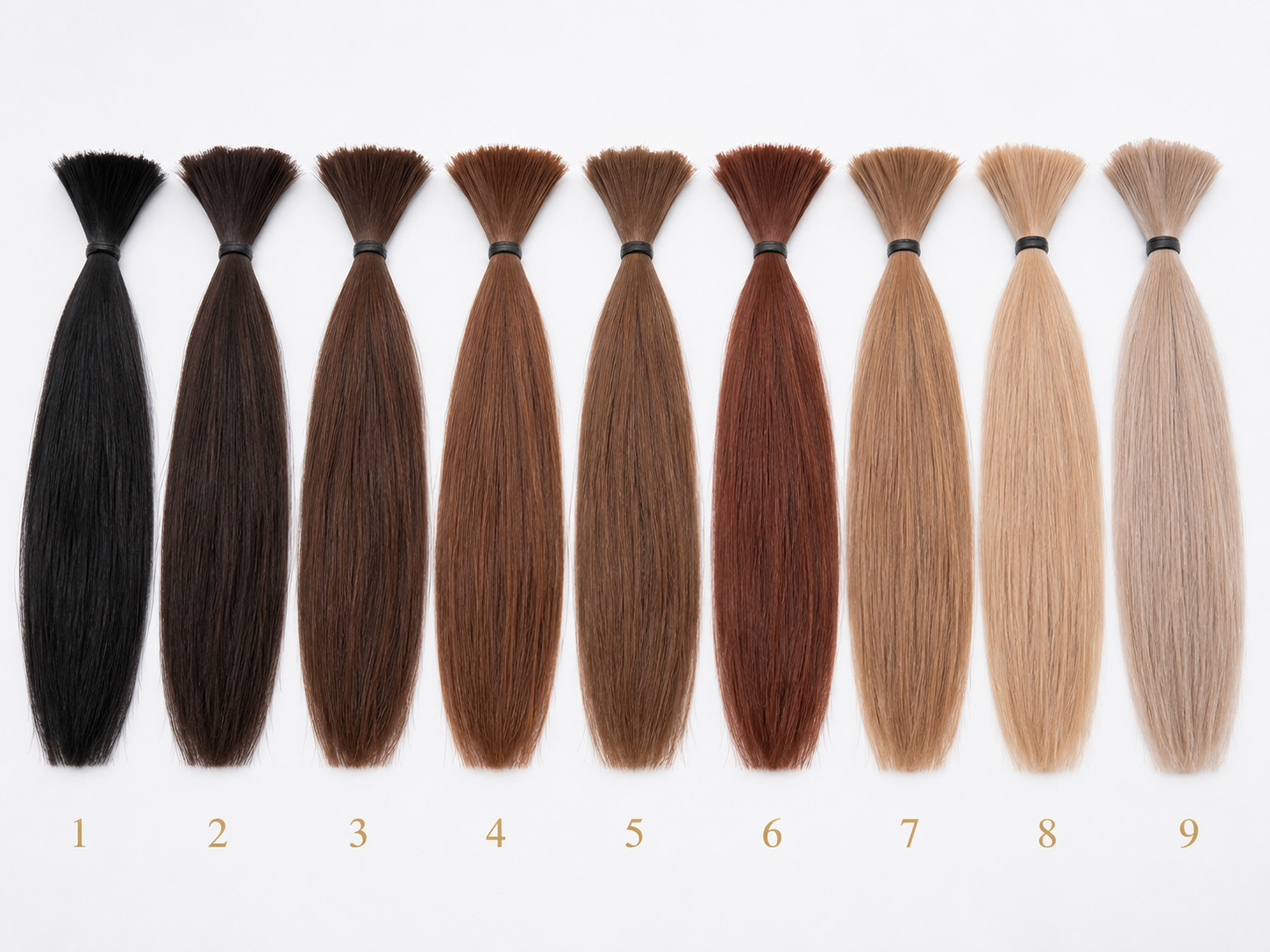
The color should match your natural hair on the sides and back. Always compare in natural light (near a window), never under artificial lighting.
At Keeratin, we offer 9 shades ranging from jet black to ash blonde. Each color is a subtle blend of pigments to avoid the artificial "solid color" effect.
Our AI virtual try-on allows you to visualize each color directly on your face before ordering.
Length and style of cut
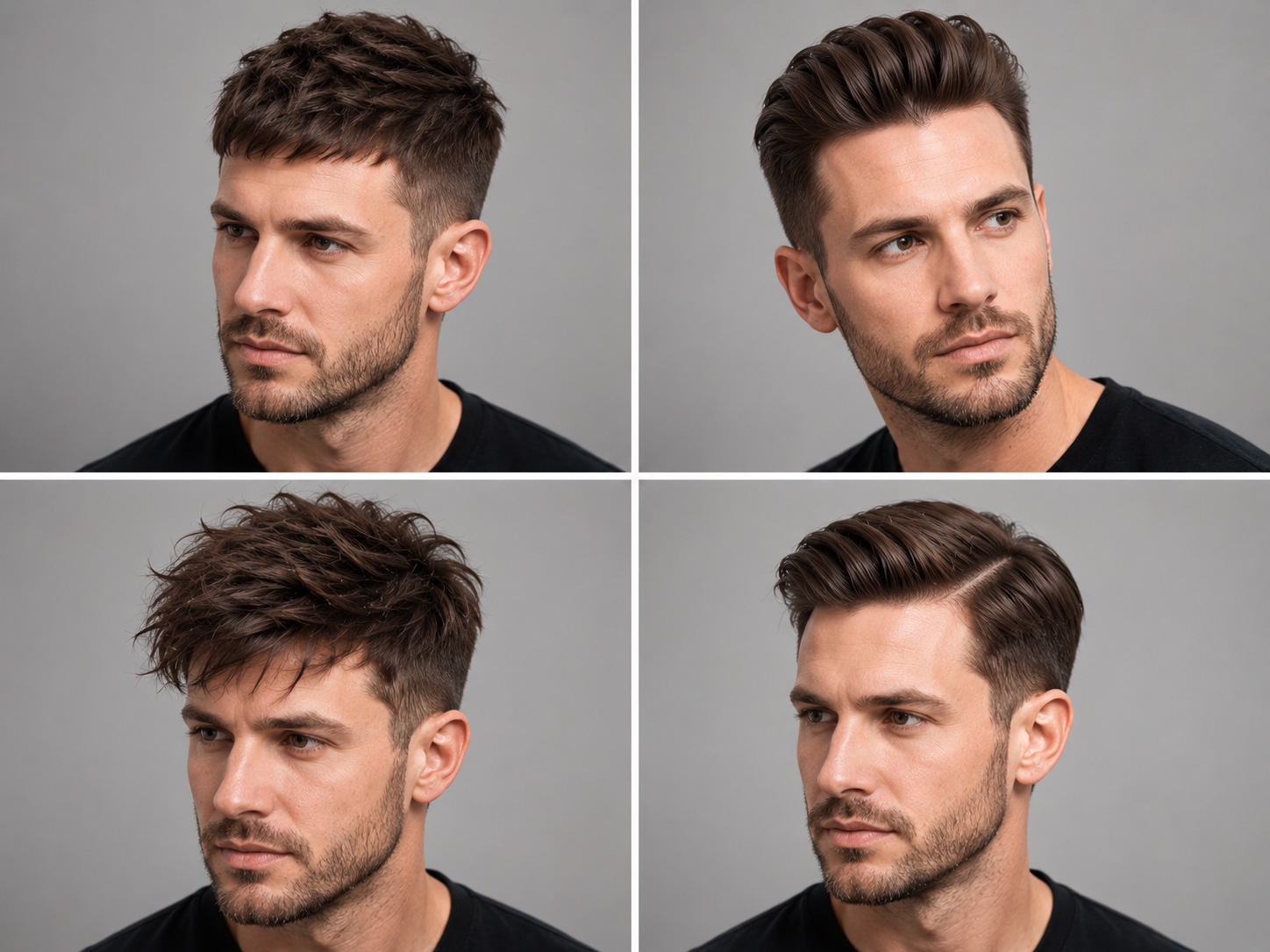
Our systems come with hair 15 cm long — long enough to be styled in most masculine styles (structured short, pompadour, casual, fringe).
A stock of straight/slightly wavy hair can be styled in multiple ways with a curling iron or hair dryer. One system, ten different styles.
Which system
for your life?
Maintenance and lifespan
How long does a hair system last?
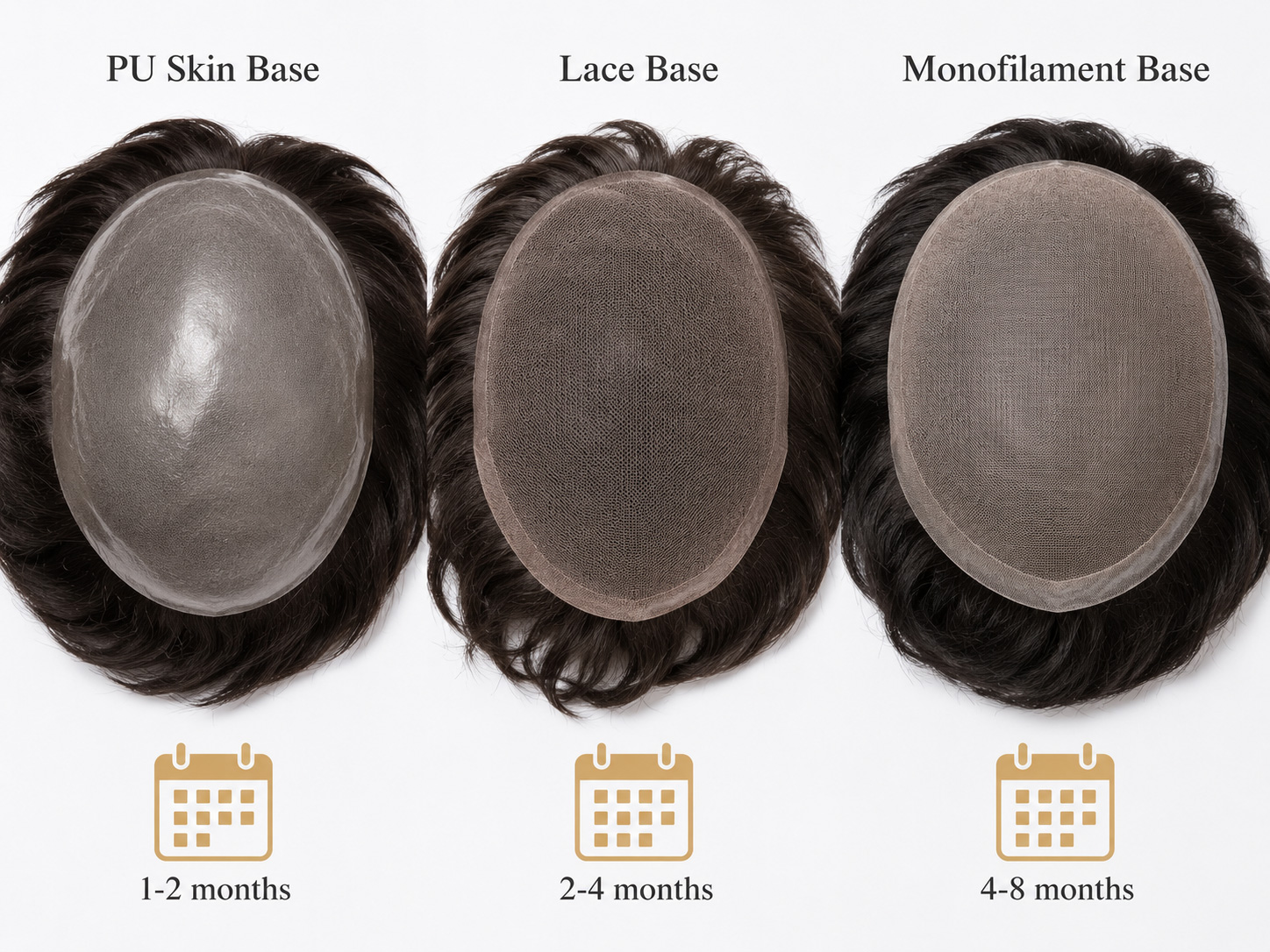
The lifespan mainly depends on the base type and maintenance:
Ultra-thin skin (0.03mm) — 1 to 2 months. Very thin, very natural, but fragile. Ideal for rotation or subscription.
Lace / Hybrid — 2 to 4 months. The best natural/duration ratio. Requires a gentle sulfate-free shampoo.
Mono / Reinforced Mono — 4 to 8 months. The longevity champion. Withstands everything.
Daily maintenance
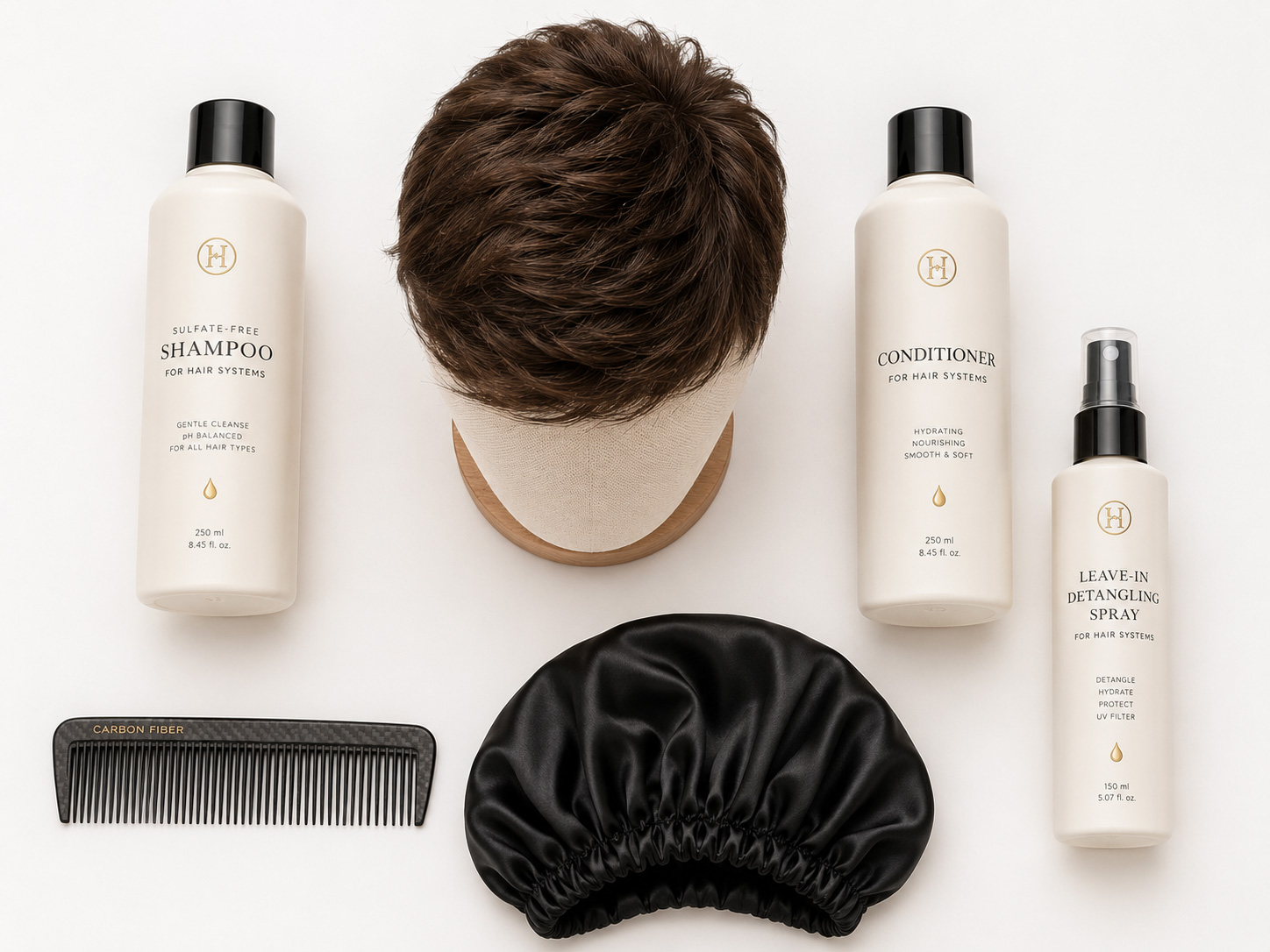
A hair system is maintained like your own hair, with a few precautions:
Washing: 2 to 3 times a week with a sulfate-free, paraben-free, silicone-free shampoo. Gently massage, do not rub.
Drying: Pat with a microfiber towel. Use a hairdryer on a warm setting, never hot directly on the base.
Styling: Curling irons, straighteners, and styling products are compatible with natural hair. Avoid greasy products directly on the base.
Night: Use a satin cap to reduce friction and tangling.
What budget should you plan for?
- Essential (249-279€) — Lace, Skin or Mono entry-level. Perfect for starting and testing.
- Signature (319-369€) — HD lace + PU hybrids, densities of your choice. The core range, optimal quality/price ratio.
- Prestige (419-479€) — Ultra-thin skin 0.03mm and Swiss Lace premium. The zero compromise.
- Subscription (-20%) — Receive a new system every 2 to 5 months, with maintenance products included. From 59€/month.
Not sure about your choice?
Our interactive quiz recommends the ideal model in 4 questions.
Ready to try?
Visualize the result directly on your face with our virtual fitting using artificial intelligence — free, instant, no commitment.
Discover our systems